
Camps and sleepovers
The bit they talk about all year
Weekly meetings are where Scouting happens. Camp is where it sticks. It's a few days of tents, fires, mud and friends, and children come back a bit taller than when they left.
Join the waiting listA day at camp
Camps are different for every section, but they tend to go something like this.
Morning
Waking up in a tent
Unzip the tent, wobble out into the field, and get breakfast going. Someone always burns the first round of toast.
Late morning
Activities
Climbing, archery, shelter building, rafts, wide games. The sort of thing that never happens on a normal Saturday.
Afternoon
Cooking and exploring
Cooking on fires, learning knots that actually hold, and a lot of running about with new friends.
Evening
Campfire
Songs, terrible jokes, toasted marshmallows, and the bit everyone remembers.
Night
Torches and giggling
Into sleeping bags, with leaders awake and on duty. Nobody sleeps as early as they promised.
Our two kinds of camp
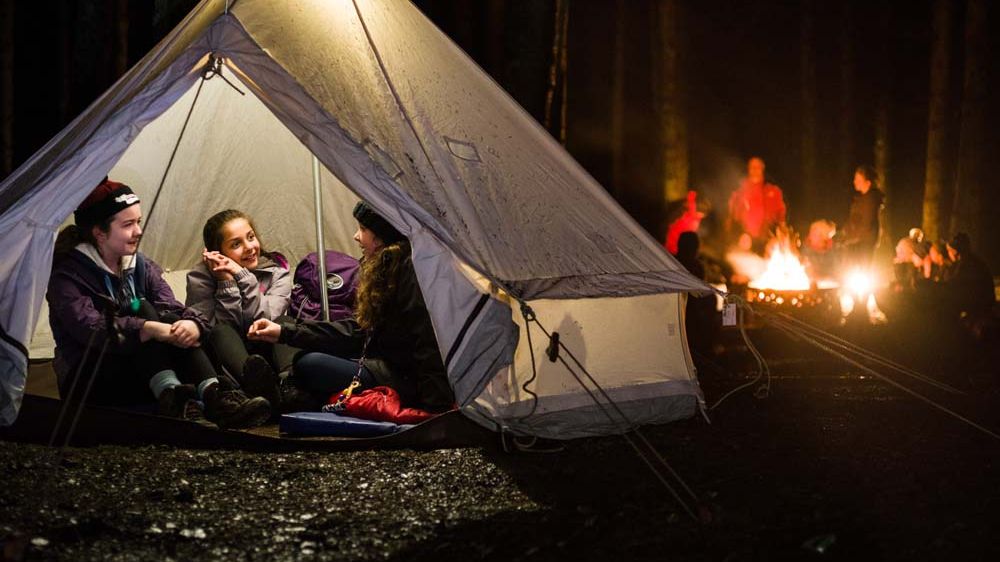
The annual camp
Children go with their section and the leaders
- A few days away with their section, without parents.
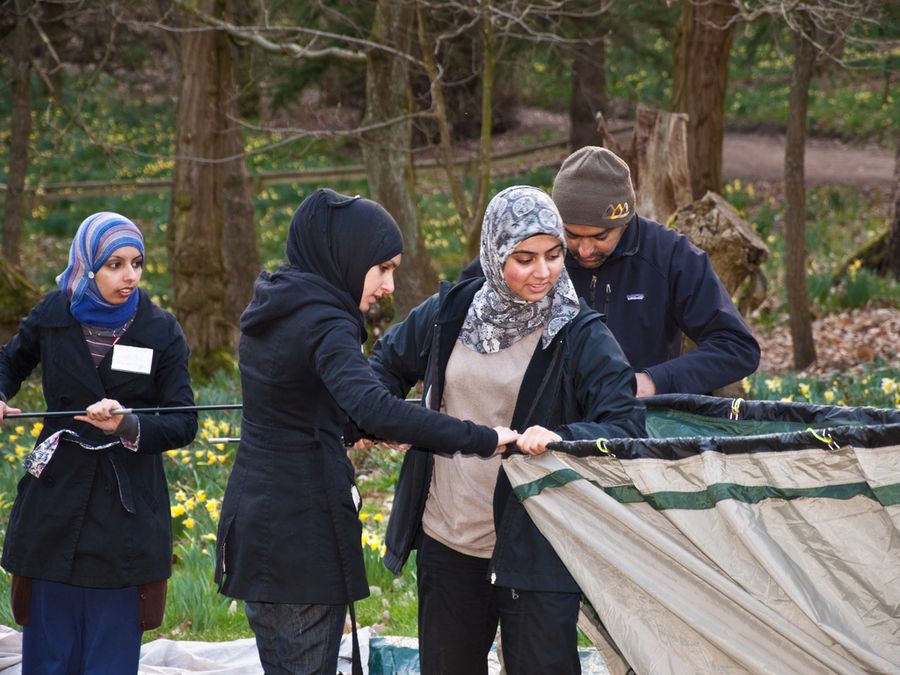
- They cook, wash up, put up their own tent and look after their kit.
- It is usually the thing they talk about for the rest of the year.
When: [TBC: when the annual camp runs and how long it lasts]
Cost: [TBC: cost per child, and the help available]
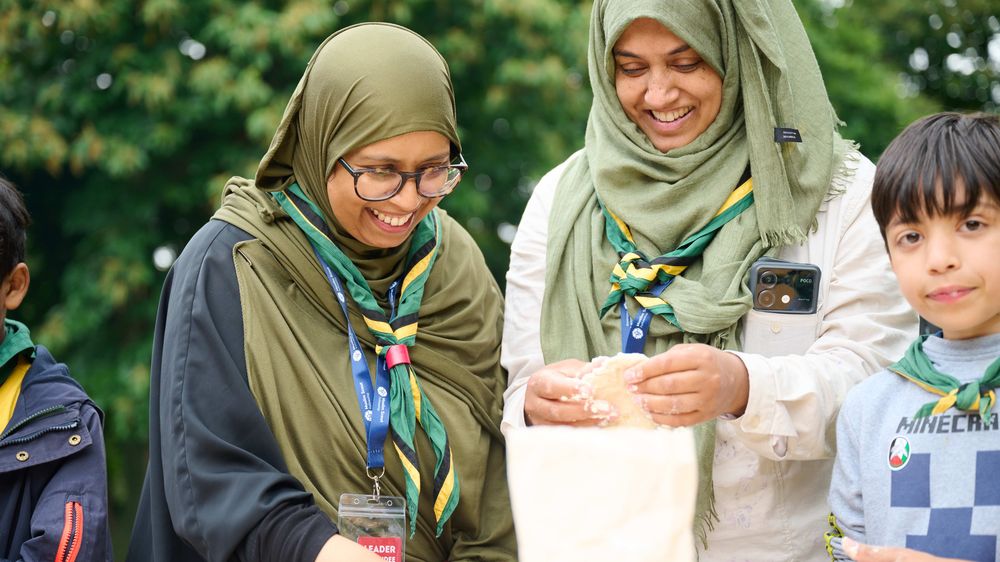
The family camp
The whole family comes along, brothers and sisters too
- A gentle first taste of camping for families who are not sure yet.
- Younger brothers and sisters can come, so nobody is left behind.
- A good way to meet the other parents, which is half of what makes a group work.
When: [TBC: when the family camp runs]
Cost: [TBC: cost per family]
What your child gets out of it
Camp is the fastest way a child grows in Scouting. They pack their own bag, sort their own sleeping arrangements and solve their own problems, because you aren't there to do it for them.
- Independence, in a place where it's safe to try
- Friendships that come from doing things together, not sitting next to each other
- Practical skills: cooking, fires, knots, looking after their kit
- Resilience, including the bits that go wrong in the rain
- Stories they'll still be telling at Christmas
What they'll tell you about
- Sleeping in a tent with their mates
- Cooking on an actual fire
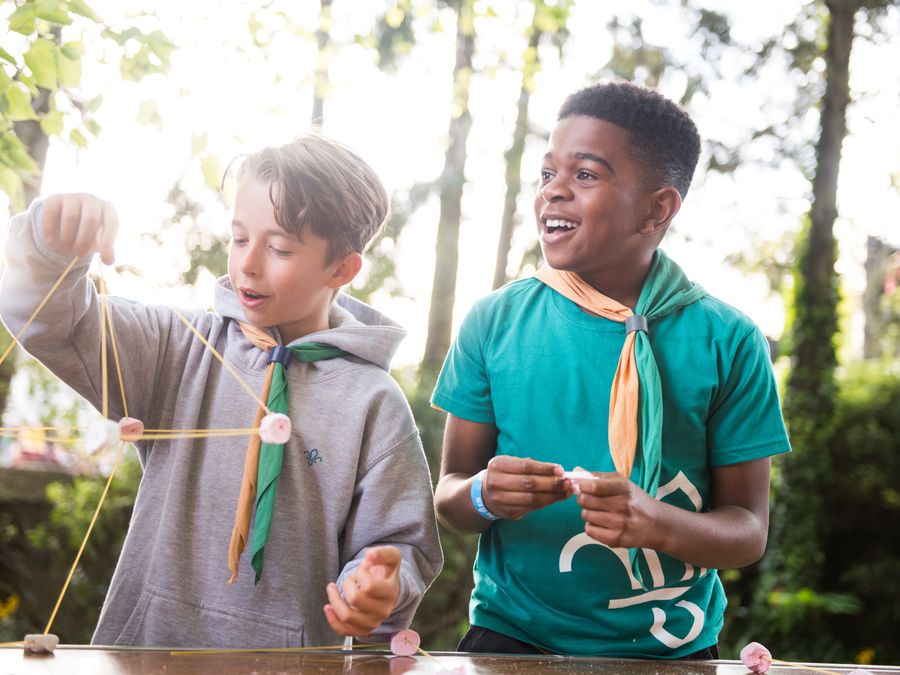
- Toasting marshmallows at the campfire
- Staying up later than they're allowed at home
- Activities they can't do anywhere else
- Coming home filthy and very pleased with themselves
Camps count towards badges
Every night away earns a Nights Away badge, starting with the very first one. After that it climbs: two nights, three, five, ten, and on up.
A night away doesn't have to be in a tent either, so a sleepover at the hall counts too. Plenty of our young people leave with a badge they're quietly very proud of.
More about the Nights Away badge on the Scouts website.
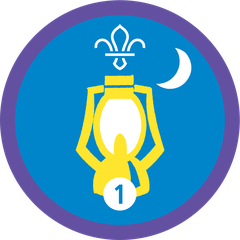 First night away
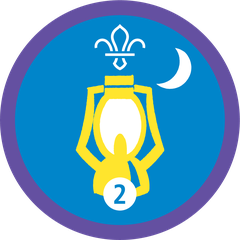 2 nights
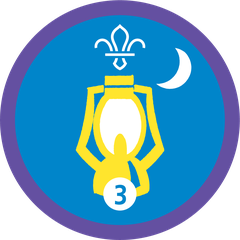 3 nights
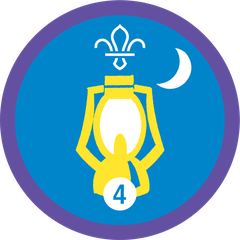 4 nights
 5 nights
 10 nights
Where it starts in each section

A first sleepover, usually close to home and just one night.

A sleepover or short camp with the colony.

A pack holiday or weekend camp, often under canvas.

Camps proper, with cooking on fires and bigger adventures.
For parents
The first camp is usually harder on the parents than the children. Here's what's in place.
My child has never slept away from home
That's normal, and leaders see it every year. Most groups start small, with one night close to home, so a first camp is a short hop rather than a leap. Talk to the section leader beforehand and they'll keep an eye out.
What does it cost?
[TBC: cost per child.] Nobody should miss out because of money. If cost is a problem, speak to a leader in confidence and it will be sorted quietly.
What do they need to bring?
You'll get a kit list before every camp. You don't need expensive gear, and the group can usually lend the big things like tents and sleeping mats.
Who looks after them at night?
Leaders stay on site and are awake and on duty overnight. Any leader running a camp holds a Nights Away Permit, which the Scouts assess them for.
What about medication, allergies and dietary needs?
Leaders use what you have entered in the Parent Portal, which is why we ask you to keep it up to date. Tell them about anything new before the camp as well.
Can parents come?
Not to the annual camp, because part of the point is that your child does it themselves. The family camp is the one where everyone comes along.
Phones?
[TBC: the group's line on phones at camp.]
Anything else, just ask us.
Want your child at next year's camp?
Add them to our waiting list and we'll be in touch as soon as a place comes up.
Join the waiting listCamps need grown-ups too
Camps only happen because adults come along. You don't need any experience.
Volunteer with usWhere we meet
Cotham Parish Church, Cotham Rd, Cotham, Bristol BS6 6DR
Get directions · what3words: freed.valve.wizard
Join us
We're always happy to welcome new members. Add your child to our waiting list and we'll be in touch when a place comes up.